As the director of the Auburn University Architecture Program’s Urban Studio, our client desires to reside in the downtown urban environment. Taking advantage of the structure of an existing warehouse, the goal was to create a simple, honest design expression – maintaining the integrity of the existing and clearly articulating the new work. A strong connection between interior and exterior spaces was desired, the central focus of which is a private courtyard. Passive strategies incorporated daylighting, heating, ventilation and cooling into the final solution.

Morgan Loft
Downtown Birmingham, Alabama
Awards
- AIA Birmingham Honor Award
- AIA Alabama Merit Award
Project Type
- Adaptive Reuse, Mixed Use
Services
- Architecture
Size
- Approx. 2,400 sf
Cost
- Withheld
Date of Completion
- Summer 2011
Team
- Cheryl Morgan
- Golden and Associates
- MBA Engineers
Publications
- HBO max: Where We Call Home S2 E6
- Wall Street Journal: From Warehouse to Their House
- Architect Magazine Online
- The New Old House by Marc Kristal
- Birmingham Magazine: Re-Usable Space
- Birmingham Style by Birmingham Home & Garden
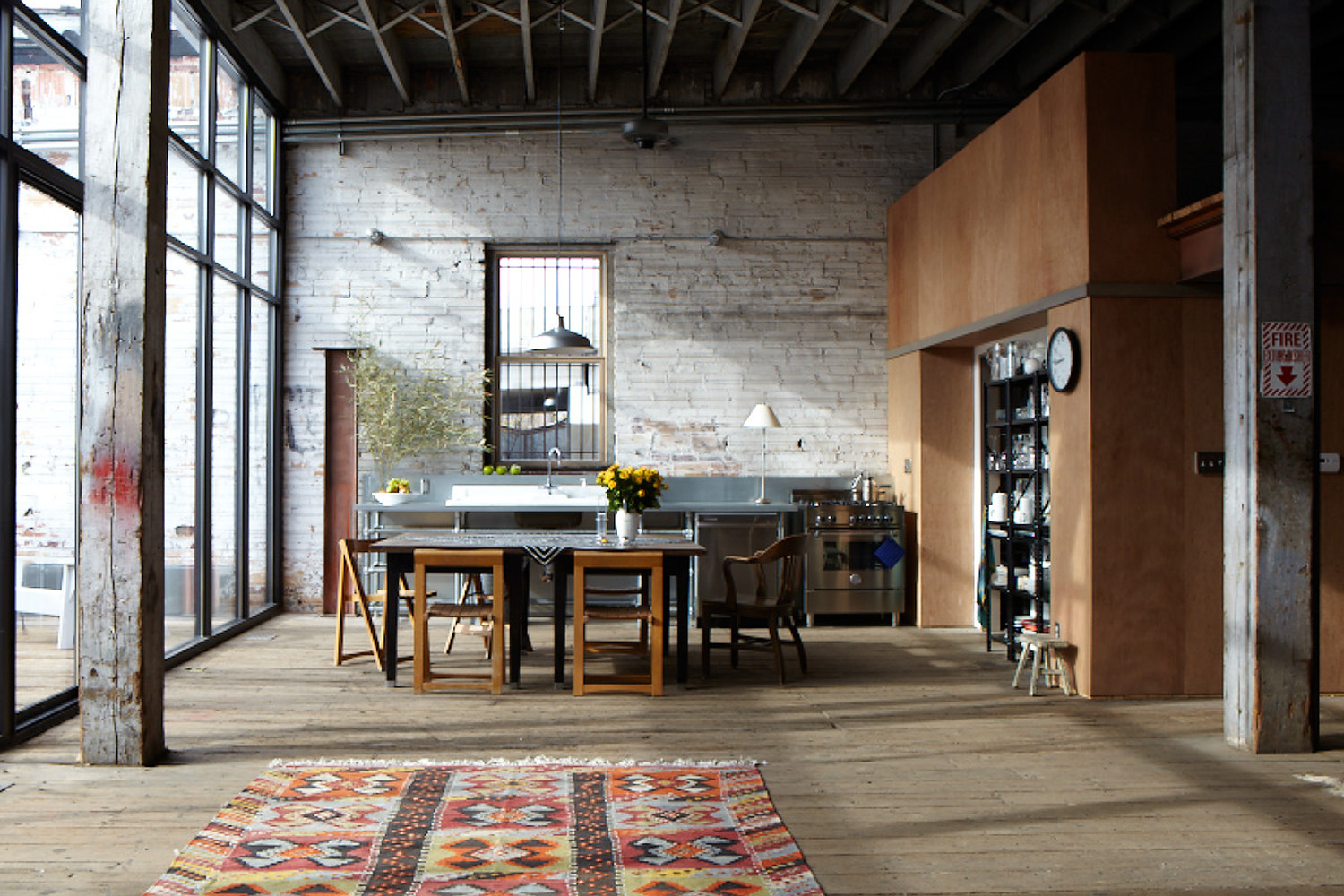
Kitchen and Dining
Photo Credit: Jean Allsopp
Photo Credit: Jean Allsopp
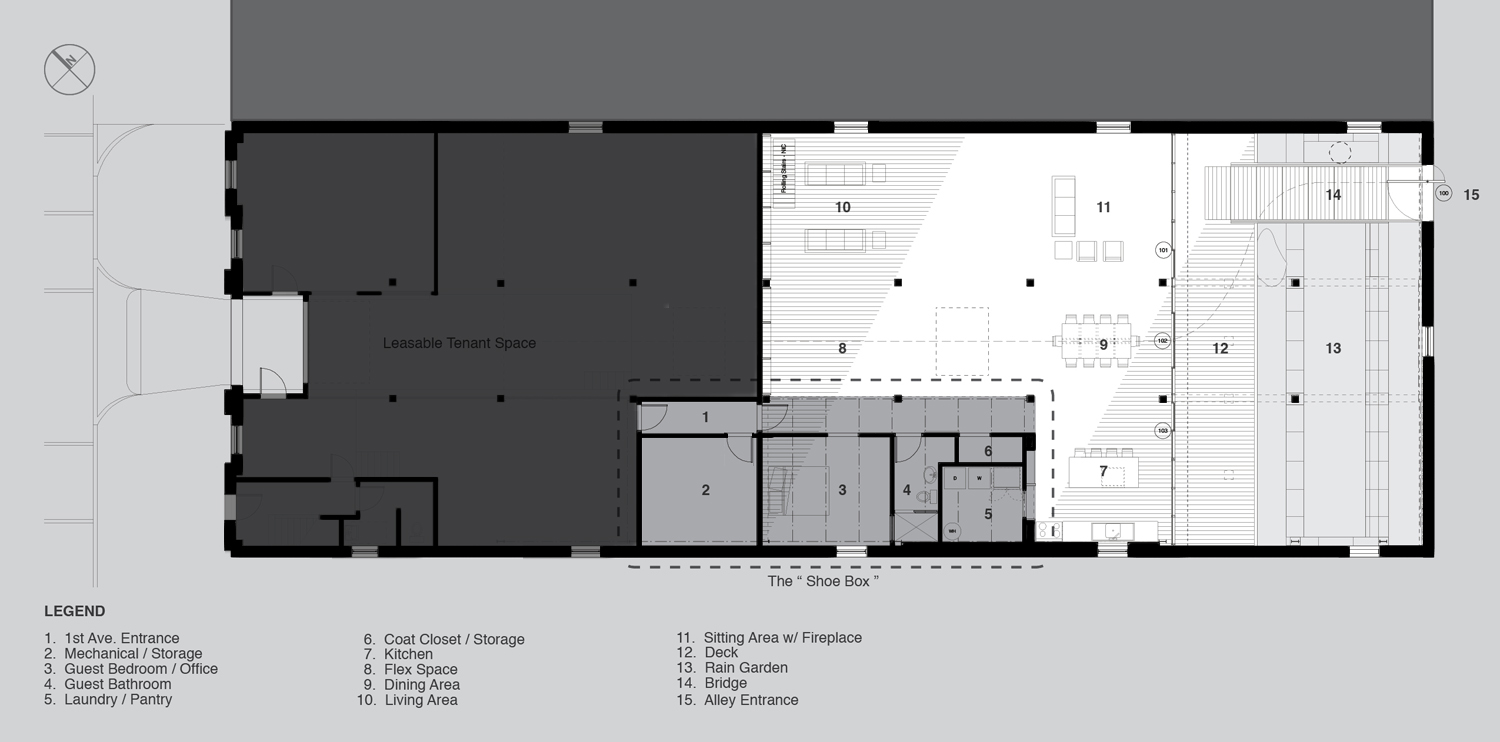
Floor Plan

Exterior Elevation
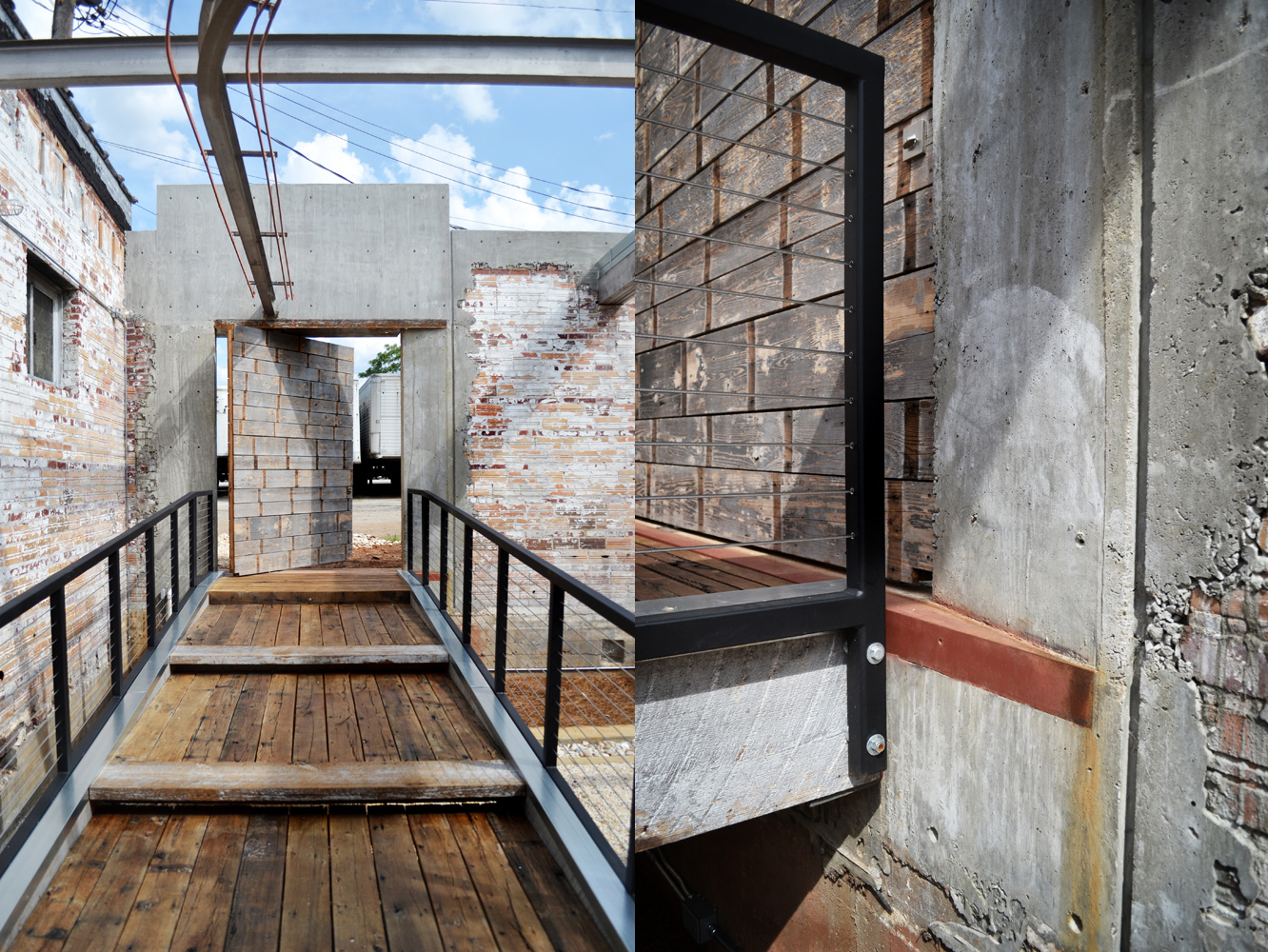
Bridge Entry and Detail
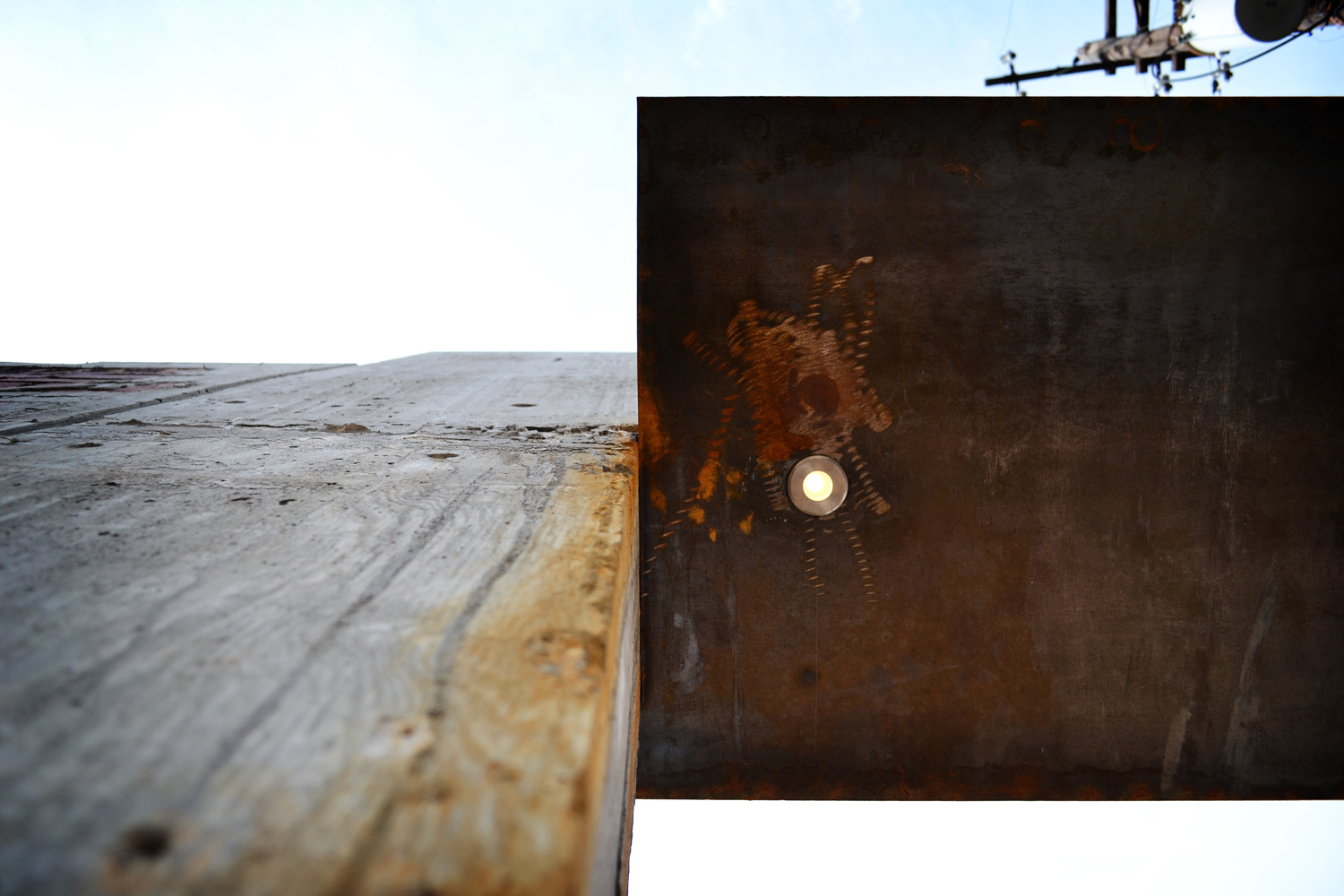
Entry Detail

Salvaged Wood Bridge Detail
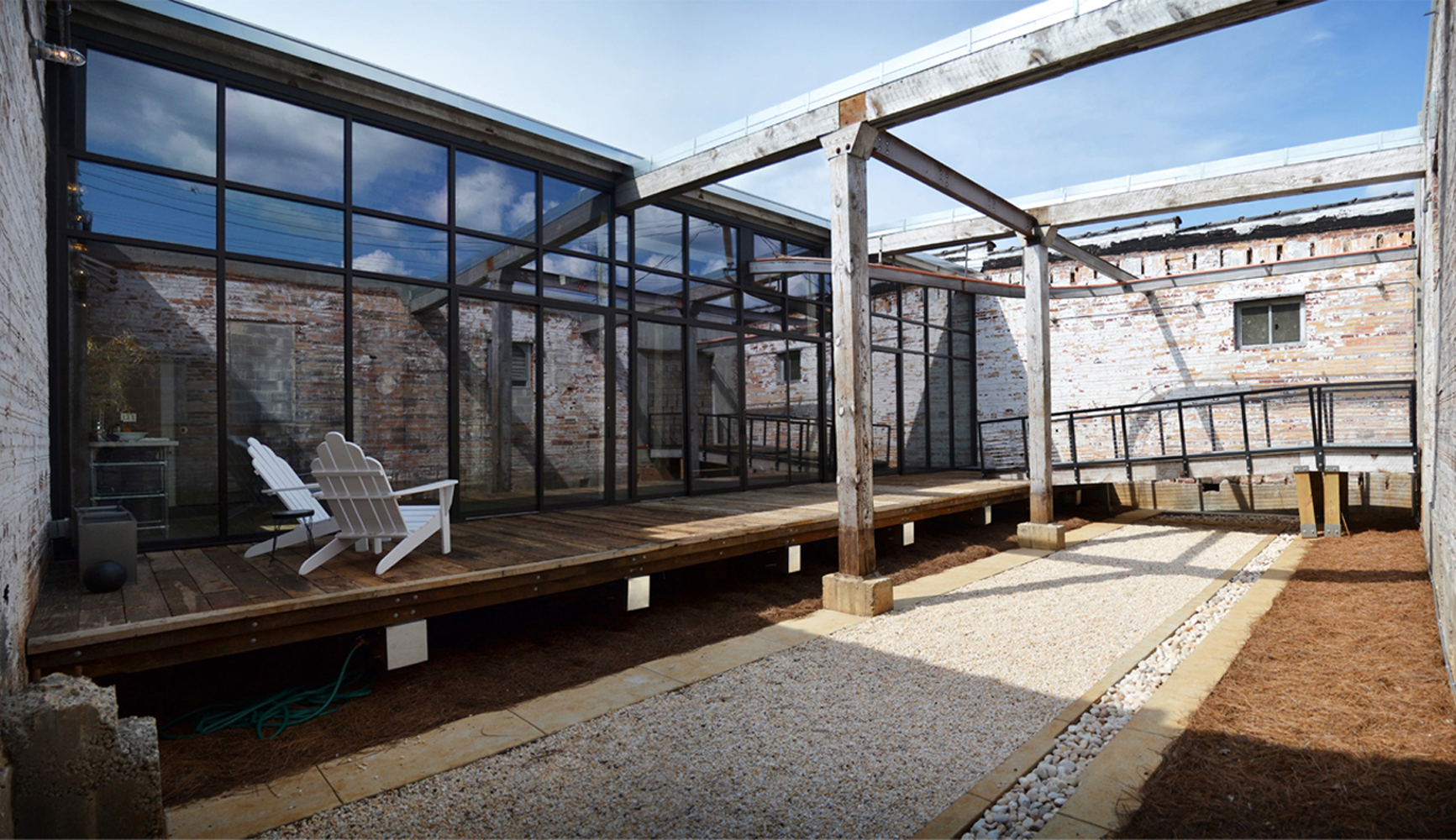
Private Courtyard

Gantry Crane and Storefront Detail
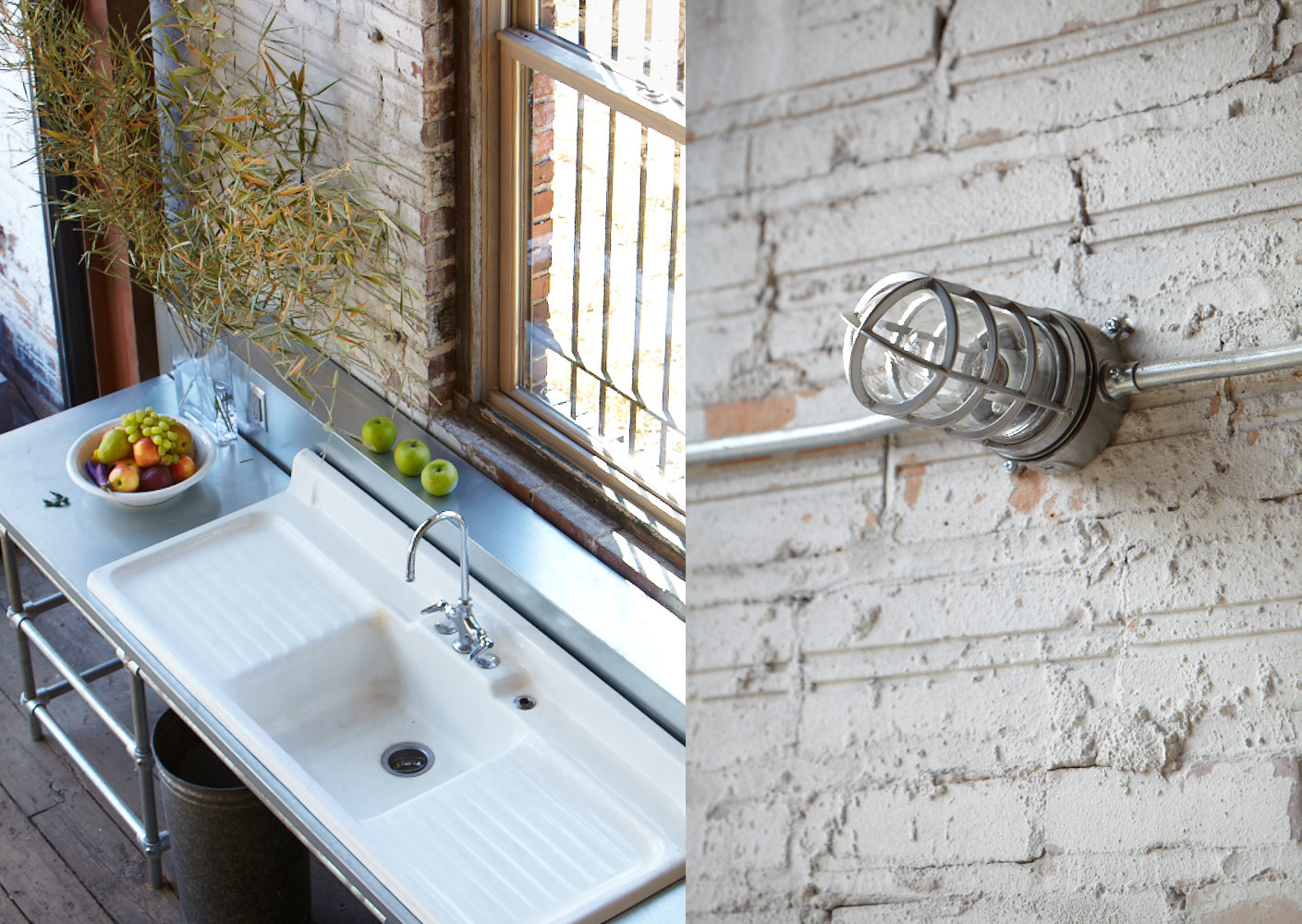
Kitchen and Light Detail
Photo Credit: Jean Allsopp
Photo Credit: Jean Allsopp
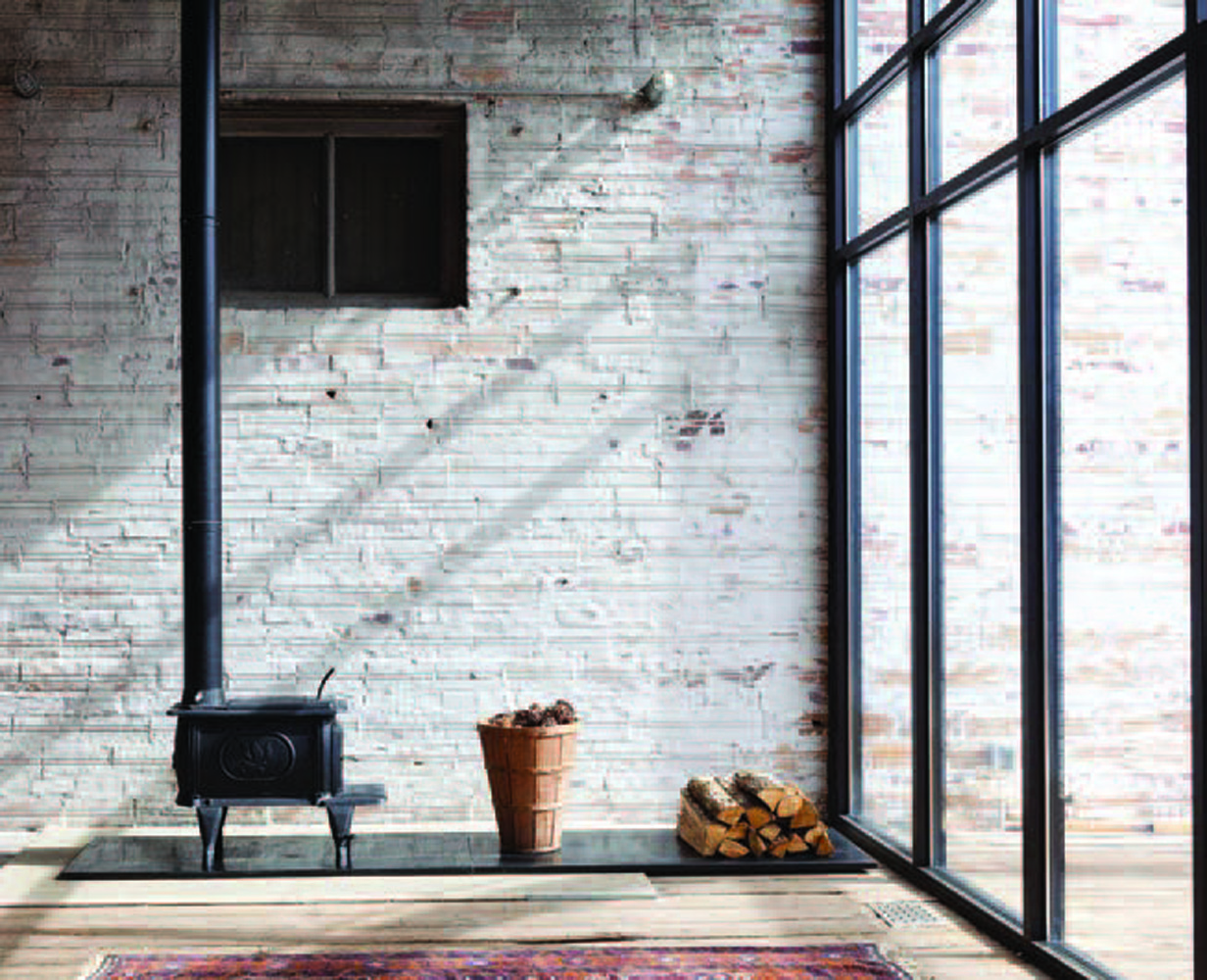
Wood Burning Stove
Photo Credit: Jean Allsopp
Photo Credit: Jean Allsopp
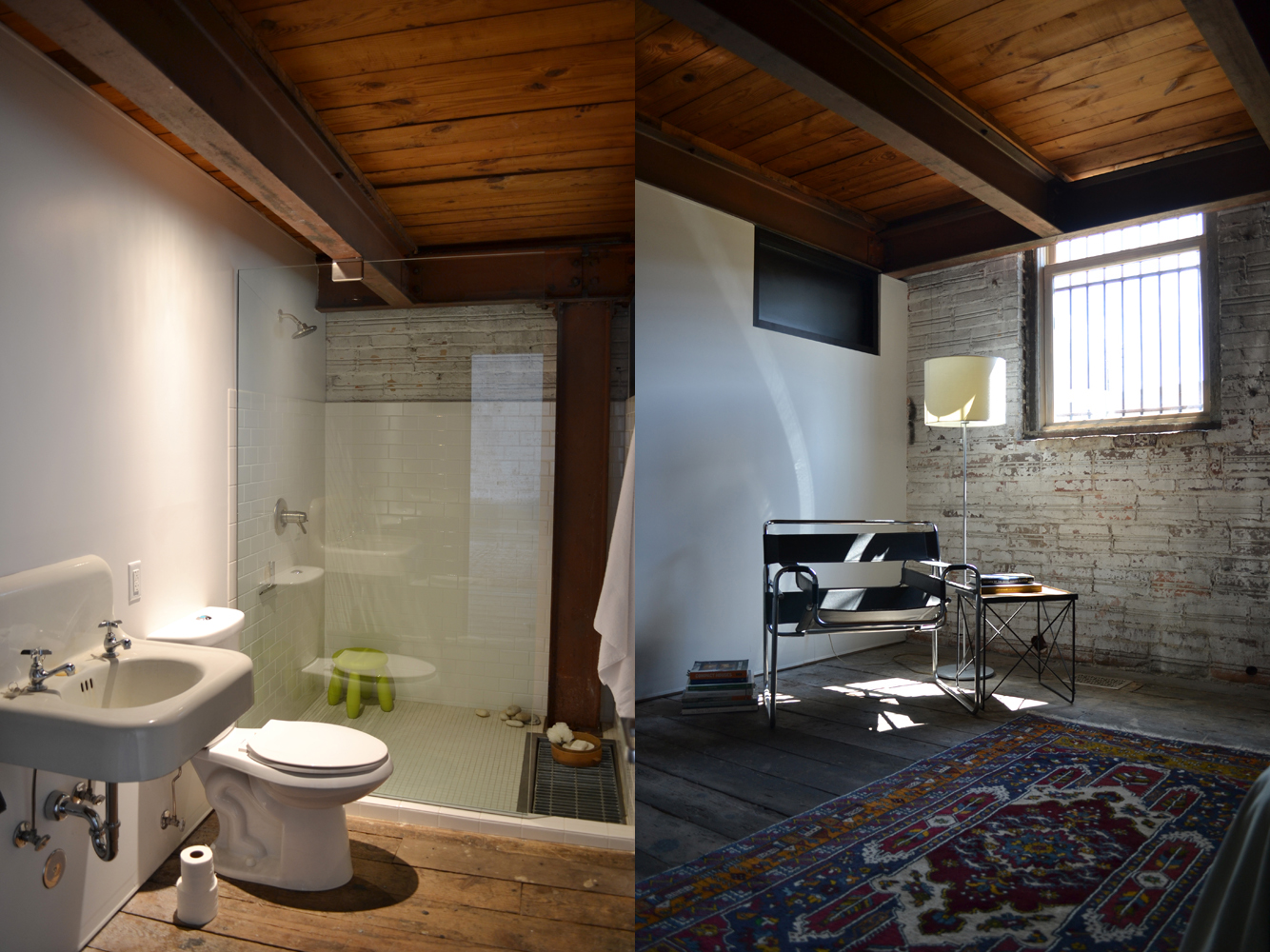
Guest Bathroom and Guest Bedroom